Turning Setbacks Into Comebacks: A Playbook for Every Type of Athlete
Setbacks are not a question of if, but when. Anyone who has chased a goal knows the sting of falling short. It is frustrating and discouraging, and if you let it, it can be paralyzing. But if history has shown us anything, it is that the best always bounce back. Whether you are stepping into the gym for the first time or competing for a world championship, how you respond to setbacks defines your trajectory.
Step 1: Accept and Assess
Before you can move forward, you have to own the moment. A setback is not failure, but feedback. The sooner you stop dwelling and start analyzing, the faster you will be back on track.
- Beginner Example: A first-time marathon trainee gets injured six weeks before race day. The initial reaction is devastation, but after taking a breath, they pivot to cross-training and rehab, making sure they come back stronger.
- Intermediate Example: A gym-goer who has consistently hit personal records suddenly sees their strength plateau. Instead of allowing frustration to take over, they analyze their nutrition, recovery, and program structure, making adjustments to reignite progress.
- Pro Athlete Example: Eliud Kipchoge, the marathon legend, finished dead last in a 5,000-meter race early in his career. Instead of seeing it as a career-ending moment, he shifted his focus, doubled down on his training, and became the only man to break the two-hour marathon barrier.
Step 2: Recalibrate and Adapt
A setback does not mean you need a new goal, just a new approach. Reevaluate, adjust the process, and keep moving forward.
- Beginner Example: Someone trying to lose 50 pounds stalls after an initial 20-pound drop. Instead of giving up, they reassess their nutrition and training, making necessary adjustments to get back on track.
- Intermediate Example: A recreational triathlete tweaks their hamstring during training. Instead of skipping the race, they shift focus to swimming and cycling while rehabbing the injury, ensuring they stay race-ready.
- Pro Athlete Example: Tom Brady tore his ACL in 2008, an injury that could have derailed his career. Instead, he used it as an opportunity to refine his training, improve his mechanics, and extend his dominance for another decade.
Step 3: Stack Small Wins
Momentum starts with the smallest victories. Progress does not always come in leaps. Sometimes it comes in inches.
- Beginner Example: A new lifter sets out to bench 225 pounds but struggles at 185. Instead of quitting, they focus on reaching 190, then 195, gradually working toward the goal.
- Intermediate Example: A dedicated runner aiming for a Boston Marathon qualifying time falls short by just a few minutes. Rather than letting disappointment take over, they adjust their pacing strategy, focus on speed work, and return the next year to hit their goal.
- Pro Athlete Example: After an Achilles tear, Kobe Bryant focused on the basics. First walking, then jogging, then shooting. Each milestone built confidence and led to his legendary return.
Step 4: Lean on Your Support System
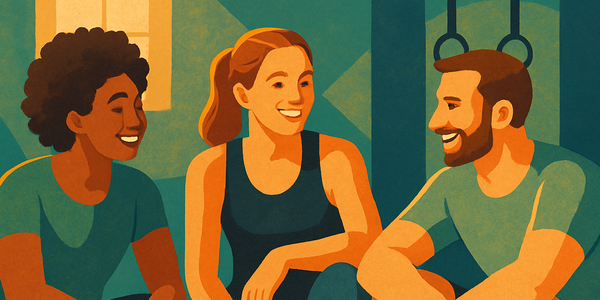
No one gets through setbacks alone. A strong circle, whether it is a coach, teammates, or training partners, can be the difference between stagnation and a comeback.
- Beginner Example: A runner sidelined with an injury joins a local running club to stay engaged in the sport while gaining camaraderie until they are ready to lace up again.
- Intermediate Example: A weightlifter struggling to hit a personal record enlists the help of a coach to refine their technique instead of just lifting heavier and risking injury.
- Pro Athlete Example: Alex Smith nearly lost his leg to injury, but with a world-class medical team, unwavering family support, and sheer willpower, he made one of the greatest comebacks in NFL history.
Step 5: Use It as Fuel
The best turn adversity into an advantage. A setback is not the end. It is the beginning of something greater.
- Beginner Example: Someone who struggled with fitness transforms their journey into a career, becoming a personal trainer to help others avoid the same mistakes.
- Intermediate Example: A dedicated lifter who dealt with nagging injuries transitions into coaching, using their experience to help others train smarter.
- Pro Athlete Example: Serena Williams faced injury and the challenges of motherhood head-on, returning to elite competition and proving that setbacks are just setups for comebacks.
Takeaway
Setbacks do not define you. Your response determines everything! Whether you are pushing through a fitness plateau or coming back from injury, the key is the same. Accept what happened, adjust your approach, and attack your goals. The greatest successes often start where failure once stood.
Stay safe, stay healthy!
Martin Foley - Founder, Architecting Wellness