The Overlooked Foundation of Fitness: Psychological Safety

Most fitness advice starts with what to do in a concrete plan. Run this far. Lift that much. Eat this way. Rest that often.
However, your overall feeling of safety is a quieter factor that often decides whether any of it sticks.
Not physical safety in the sense of padded flooring or proper footwear, but rather emotional and psychological safety. The type of safety that lets you show up without pretending, fail without shame, and try again without fear of being judged.
What is Psychological Safety?
Psychological safety is the belief that you can be real with the people around you. That you won’t be criticized, dismissed, or punished for asking questions, trying something new, or showing vulnerability.
In fitness, it shows up in subtle ways. Do you feel okay modifying a workout when needed? Can you admit to a friend that you're overwhelmed? Can you join a class, move at your own pace, and not feel embarrassed if you're not adapting as quick as you would like?
If the answer is no, your environment may be impeding your progress.
The brain’s stress response is designed to protect you. The tough part about this is that growth can feel adversarial. When you feel emotionally unsafe, your nervous system ramps up. Stress levels rise, recovery slows, and motivation drops. It becomes more difficult to think clearly, stay consistent, or enjoy any part of the process.
Long-term stress makes your body more likely to hold on to inflammation, struggle with energy regulation, and crave high-calorie foods. Again, this is your mind and body working in survival mode, where growth and improvement are an afterthought.
A study published in Health Psychology found that individuals who experienced higher levels of psychological safety in wellness spaces were more likely to maintain healthy routines over time. They were also more resilient during setbacks, had better outcomes, and overall felt better through the course of their routine.
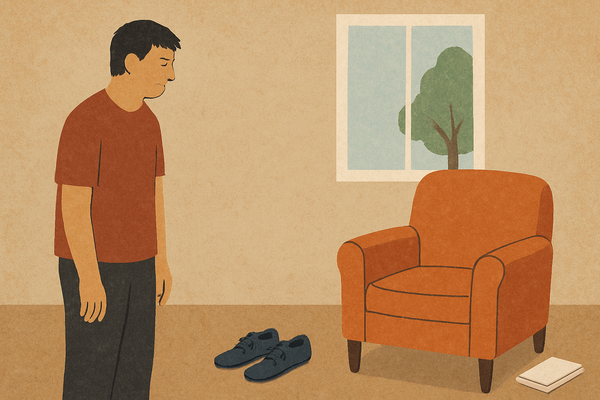
Many new fitness participants stop because they feel like they do not belong. Because of this, they develop the common self-conception that they are lazy. This can further derail their progress. They feel judged when they modify an exercise. They feel like failures when they miss a day. They don’t feel like they’re “allowed” to make progress at their own pace. Of course they would stop trying to push forward!
Even internally, the way we speak to ourselves matters. When your inner voice is harsh, your workouts become another source of pressure rather than a tool for growth or relief.
Changing this starts by building environments—both internal and external—where safety leads the way.
Whether you're a coach, a friend, a workout partner, or someone trying to improve your habits, these practices can shift the environment in the right direction:
1. Ask before offering advice
Instead of giving unsolicited tips, start with:
- “Do you want help or just someone to listen?”
- “How can I support you right now?”
These questions build trust and respect personal agency.
2. Reflect the effort to people
Say things like:
- “You were consistent this week, even when life got busy.”
- “I admire how you showed up even when you weren’t feeling 100%.”
Positive feedback makes people more likely to repeat behaviors.
3. Make room for rest and flexibility
Support taking a lighter day without guilt. Remind each other that progress isn’t measured by how sore you feel but by how consistently you can keep going.
4. Don’t force your pace or goals on others
Let people define success for themselves. Some may want to go hard. Others may want to move for stress relief. Both are valid.
5. Speak kindly about your own experience
If you struggle, name it without shame.
- “I had a hard time focusing during that workout, but I’m glad I moved.”
- “I’m still figuring out what feels good for my body right now.”
Modeling compassion permits others to do the same.
6. Focus on rituals, not rules
Make movement social and enjoyable. Create check-ins, walks, or shared workouts that feel like connection, not obligation.
7. Celebrate returns, not just streaks
When someone gets back into a routine, make it known that they’re welcome. Try not to joke about how long they were gone. Just be glad they came back.
8. Audit your spaces
If a gym, coach, or circle of friends makes you feel less than, it might be time to change who you train with or where you train. A good environment won’t need to rely on intimidation to push you.
Final Thought
Every habit begins with a decision, and every sustainable habit is shaped by its environment. When people feel safe, it promotes growth rather than survival.
If you want to support someone’s physical health—your own or someone else’s—start by making it easier to show up as they are. That’s what makes it more likely they’ll keep showing up.
Stay safe, stay healthy!
Martin Foley - Founder, Architecting Wellness