The Mental Side of Dealing with an Injury: How to Cope When You Can’t Train
Injuries are tough, not just physically but mentally. For many of us, training is more than exercise, it’s an outlet, a routine, and a source of confidence. When injury forces you to pause, it can feel like you’re losing part of yourself. But with the right mindset, this challenging time can become an opportunity for growth.
1. Acknowledge Your Feelings
Injuries can stir up a whirlwind of emotions such as frustration, guilt, sadness, or anger. Ignoring these feelings can lead to burnout or even delay recovery. Acknowledge them. Talk to a friend, journal, or work with a therapist to process what you’re going through. Remember, these emotions are valid.
2. Focus on What You Can Control
An injury doesn’t take away your ability to grow, it just changes the direction. Ask yourself:
- What areas can I still work on?
- How can I improve my nutrition, sleep, or mental health during this time?
Shifting your focus to what you can do instead of what you can’t prevents the injury from feeling all-consuming.
3. Stay Connected
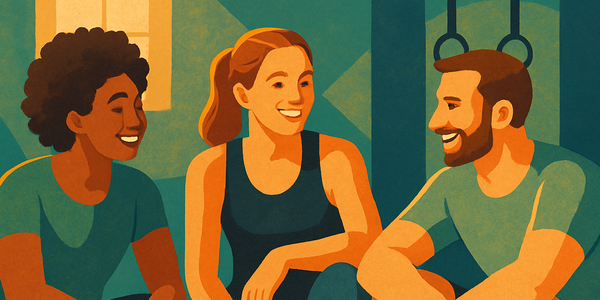
It’s easy to feel isolated during recovery, especially if training was your primary social outlet. Keep in touch with your community! Whether it’s your gym group, running club, or even online fitness friends. Their support can help remind you of your goals and keep you grounded.
4. Set Recovery Goals
Progress doesn’t stop during an injury, it will just look different. Create small, actionable recovery goals. Whether it’s completing your rehab exercises or practicing visualization for your sport, these milestones keep your mind focused on moving forward.
5. Strengthen Your Mindset
This pause is the perfect time to work on mental fitness.
- Meditation reduces stress and can help speed up physical recovery (Journal of Rehabilitation Research).
- Visualization can maintain your confidence by mentally rehearsing your skills.
- Journaling helps you process your emotions and track small victories.
Takeaway
An injury might pause your physical progress, but it’s also a chance to strengthen your mental game. Remember, setbacks are temporary. By focusing on what you can control and staying connected to your goals, you’ll come back stronger both mentally and physically.
Stay safe, stay healthy!
Martin Foley - Founder, Architecting Wellness